Water Inequality
  | Blog 1:748 million people around the world do not have access to clean water. These people have no choice but to get dirty water from ponds and rivers not even close to where they live. Without safe clean water to drink, cook, clean people are more likely to get diseases which kill 1 400 children daily which is around 500 000 children every year and it is rising. If you do not drink water, sanitise or have a good hygiene you cannot live, which 3.4 million people die by these causes each year. Countries such as Africa and Bangladesh do not have access to clean and safe water because they are poor countries that don’t have the right sources to get the water and there government doesn’t really help them at all. It is unfair that our richer countries have all this water and they don’t, just having a five minute shower is about the same as an average person in these countries have a day. Most people in our richer countries don’t even care about these people having no clean and safe water to drink and sanitise them with which mostly ends up in death. That is why there are all these NGOs helping these unequal foreign countries to help all the people who don’t have access to clean water or not much access to food, they try to make every one equally loved and accessible to all this inequality. |
Blog 2:
Many illnesses occur from not drinking safe and clean water which kill thousands of people daily. In Africa there are lots diseases caused by drinking dirty water regularly. Other symptoms of drinking dirty water are diarrhoea, viruses, bacteria and protozoan’s which leads to dehydration and it usually causes to death. The long term effects of drinking dirty, unsafe water is painful skin keratosis which is hardened lesions and can cause to cancer in the skin, lungs, bladder and kidneys. Cholera is a sensitive bacterial infection of the intestinal tract. It causes harsh attacks of diarrhoea that, without help, can quickly lead to dehydration and death. People can get Guinea worm disease from drinking unsafe water, the water can be infected with Dracunculus larvae which when you drink the water a large worm lives in your body for up to a year and causes painful ulcers inside your body. In Africa if a mosquito drinks some of the infected water when you are bitten you can catch Malaria and each year up to 300 million to 500 million people catch malaria all around the world each year, it is the most dangerous disease passed on by an insect. There are so many viruses, diseases and illnesses that you get from drinking unsafe water or not sanitising properly such as diarrhoea, Arsenicosis, Cholera, Fluorosis, Guinea worm disease, HIV/AIDs, Intestinal worms, Malaria, Schistosomiasis, Trachoma and Typhoid, these are just some of the things that you can get from drinking unsafe water.
 |  |
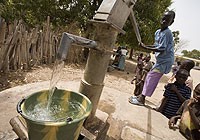
Blog 3:Lots of Non-government organisations around the world are helping to stop all this inequality like access to food and water. UNICEF is a NGOs that helps all societies that have unsafe and dirty water. UNICEF works in more than 100 countries around the world to help lack of safe clean water; they supply sanitization and water in schools and facilities, they try to get them as hygienic as possible by having cleaning practises to help them be as clean as they can be. UNICEF help with all people in need of clean water and all the diseases caused by the water. UNICEF wash programs are helping with the Millennium Development goal for water and sanitization. The goal for UNICEF’s water inequality is to half the amount of people without clean water by 2015 and they’re trying to do the same with sanitization but it doesn’t seem like they’re going to do it in time. UNICEF are helping to give these people safe water by going over to their countries to build water hand pumps, water tanks and teaching them how to find their own water to drink and sanitize with. Drinking water is considered safe if it meets certain standards. To estimate the quality of drinking water from better causes, UNICEF have developed a fast way, which has already been used for a test studies in eight countries. UNICEF is checking water quality programs and promoting household water treatments to try and improve safe water in households. Visit:http://www.unicef.org/ |
 |
Blog 4:
As an individual you can help these people have better lives and have clean and safe water to drink and sanitise just by doing little things like donating to Non-government organisations so they can add in water tanks and water pumps. You can also see what you can do to help their lives on social media pages such as Facebook and twitter all you have to do is like there pages and they can show you what you can do to help these people. Donations are probably the best thing you can do to help them because if lots of people donate just a little bit of money a month you canhelp or even save these people’s lives, there are so many organisations that help with water inequality so you have a lot of choices to which place to donate to. If you like a social media page like Facebook and twitter on these organisations they can post what you can do to help these individuals and what you have done to help these people, all you have to do is go on a social media network such as Facebook and twitter and just like a page that the Non-Government organisations have made and they will keep you updated on what they’re doing to help these people in need of clean water.

 |  |
